
The allure of gambling
The world of gambling is intricately woven with the threads of psychology, drawing players into an immersive experience that plays on emotions and cognitive biases. One of the most captivating aspects is the allure of potential rewards, especially when playing at a quality platform like rocket casino mobile , where the anticipation of winning can trigger a dopamine release, creating feelings of excitement and pleasure, similar to what one might experience with other forms of entertainment. This physiological response can lead to a state of ‘flow’ or heightened engagement, causing individuals to lose track of time and rational thinking while they immerse themselves in the game.
The décor and atmosphere of a casino further enhance this allure. Bright lights, captivating sounds, and the buzz of excitement create an environment that stimulates the senses and encourages prolonged play. For many, the casino serves as an escape, offering a break from everyday life and the opportunity to indulge in a fantasy world where fortunes can change with a single spin of a wheel or flip of a card. Such an environment can be intoxicating, leading to a phenomenon known as “chasing losses,” where players continue to gamble in hopes of recouping previous losses, often overlooking the odds stacked against them.
This psychological connection is not merely about chance; it’s about creating a deeper emotional bond with the act of gambling. For some, it’s about proving their luck or skill to themselves or others. The belief that they have control over the outcome, even in games largely determined by chance, can propel individuals to invest time and money, further complicating their relationship with gambling. The combination of emotional engagement and environmental stimulation makes gambling an addictive behavior for many, leading to the exploration of more profound psychological aspects surrounding it.
The psychology of risk-taking
Understanding the psychology behind risk-taking is essential in comprehending why people engage with casinos. Human beings are inherently adaptable and often exhibit a predilection for risk-taking, especially when the potential rewards are high. In a casino context, this behavior is compounded by the presence of uncertainty, which can heighten arousal and amplify the desire to gamble. Players are often drawn to the thrill of placing bets, knowing that each decision can lead to a significant or even life-altering outcome.
Moreover, theories such as Prospect Theory explain how individuals perceive gains and losses differently, further influencing their gambling behavior. People are generally more motivated by the prospect of loss than by gains of equal value, which can lead to irrational betting patterns. This is particularly evident in the context of gambling, where losses can provoke a stronger emotional reaction, causing players to increase their stakes in an attempt to regain lost funds, even when statistical odds might indicate a continuation of losses.

In a broader sense, risk-taking can be seen as a mechanism for testing personal limits or enhancing one’s sense of identity. For some players, engaging with high-stakes games can become a way to affirm their self-worth or status. This connection to personal identity and societal perception often intertwines, as individuals may seek to project an image of bravery or success through their gambling choices. Ultimately, the psychological underpinnings of risk-taking serve not only to explain behavior at casinos but also reflect broader human tendencies towards risk and control in uncertain situations.
The role of cognitive biases
Cognitive biases play a significant role in the decision-making processes of gamblers. One of the most prevalent biases in gambling is the “gambler’s fallacy,” where individuals believe that previous outcomes will influence future results. For instance, after observing several losses in a row, a player may mistakenly feel that a win is “due,” leading them to increase their wagers. This fallacy illustrates how flawed reasoning can lead to risky behavior, ultimately affecting one’s financial outcomes negatively.
Another important cognitive bias is the “illusion of control,” where players think they can influence outcomes in games of chance through skill or strategy. This belief can be particularly strong in games like poker, where skill is involved; however, it can extend to slot machines and roulette as well. Players may adopt superstitious behaviors, such as using lucky charms or specific betting sequences, convinced that these actions will yield favorable outcomes. Such cognitive distortions can cloud judgment and lead to prolonged gambling sessions.
Social influences and the environment can exacerbate these biases. For example, witnessing someone else win can trigger feelings of envy or the desire to participate, reinforcing the illusion that winning is achievable for everyone. This social proof can be compelling, as individuals gauge their own chances of success based on the experiences of others. Cognitive biases, when combined with emotional responses and social environments, create a complex web of factors that significantly impact gambling behavior.
Emotional factors influencing gambling
Emotions significantly shape gambling behavior, influencing both the decision to play and the strategies employed while gambling. Positive emotions such as excitement and joy can lead to more significant risk-taking, as players feel emboldened by their mood. Conversely, negative emotions such as frustration or disappointment often push individuals to gamble as a coping mechanism, seeking out the high that gambling can provide. This pattern can lead to a cycle of emotional highs and lows, where gambling becomes a way to manage feelings rather than a choice pursued for entertainment.
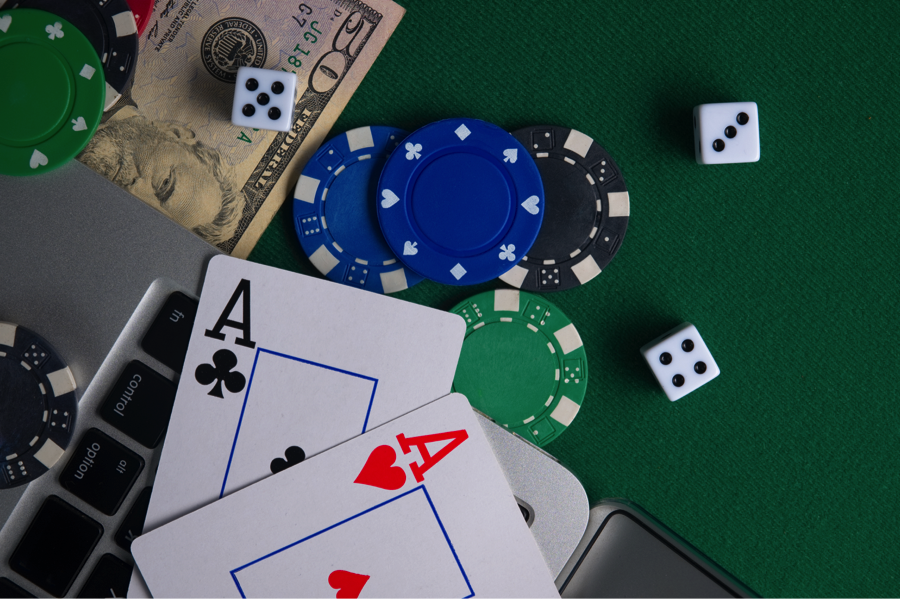
Framing also plays a critical role in how emotions affect gambling behavior. If players frame their gambling experience as an opportunity for enjoyment and leisure, they are more likely to engage in responsible gaming practices. However, if they perceive it as a means to escape negative feelings or financial stress, they may lose sight of the inherent risks and dangers involved, leading to problematic gambling habits. Emotional superstitions, where players rely on feelings to inform their betting, can also contribute to irrational decision-making.
In addition, the social context in which gambling occurs can further amplify emotional responses. Group dynamics can create an atmosphere of excitement and encouragement, prompting players to take risks they might otherwise avoid when alone. Conversely, feelings of isolation or shame can correlate with more destructive gambling behaviors, as individuals may seek solace in gaming without the perspective that social interaction provides. Overall, the interplay between emotions and gambling is a critical area for understanding the psychological landscape of casino play.
Understanding gambling behavior online
The rise of online gambling has transformed the landscape of how individuals engage in gaming activities. The digital environment provides unique psychological challenges and opportunities, as players can gamble from the comfort of their homes. This convenience can lead to increased gambling frequency and duration, as players are less constrained by time and physical presence compared to traditional casinos. The anonymity of online platforms may also lead to diminished self-regulation, as players feel a disconnect from the consequences of their actions.
Furthermore, online casinos often employ sophisticated marketing techniques designed to exploit psychological triggers. Promotions such as bonuses, free spins, and loyalty programs are strategically crafted to enhance the player experience while reinforcing the desire to play longer and wager more. This targeted approach can lead to the normalization of gambling behavior, as players may perceive the online experience as less risky or serious than in-person gambling.
As players navigate the digital landscape, it’s essential for them to maintain awareness of their psychological tendencies and the features of online gambling that can exacerbate problematic habits. Engaging with resources that promote responsible gaming is crucial to foster healthy gambling behavior in an increasingly accessible and alluring online environment. Understanding the unique psychological aspects of gambling online is vital for preserving well-being while enjoying the thrill of gaming.